10 Reasons Every Gym Needs a Mobile App in 2026
5 July 2026
•7 min read
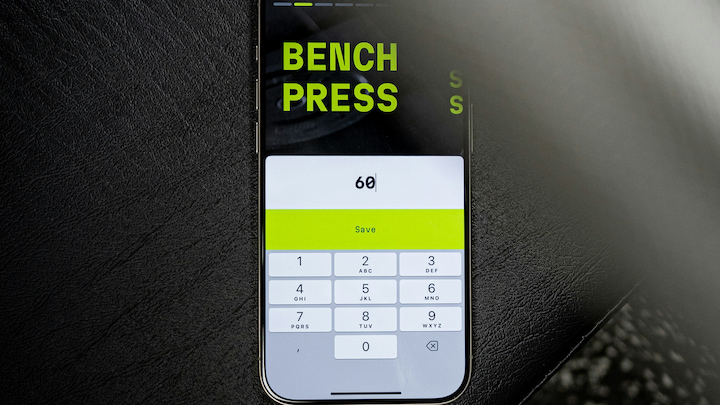
Most gym owners think of a mobile app as a nice-to-have. Something big chains like Gold's Gym or Planet Fitness have because they have the budget for it. That thinking is outdated. A gym mobile app has moved from luxury to basic infrastructure, the same way a website did ten years ago.
In this article, I'll go through the ten biggest reasons your gym needs one in 2026, starting with the ones that hit your bottom line directly, then moving into the ones that shape how members experience your gym day to day.
1. Automatic Card Billing Kills the Monthly Chase
If you run a gym in Nigeria, you already know this pain. Every month, someone on your team is calling members, sending reminder texts, or waiting by the door for a bank transfer that "will land any moment." Some members pay late. Some forget entirely and just stop showing up, and you never find out if they left or just forgot to renew.
A custom gym app fixes this at the root. Members store their card once during sign up, and the app auto renews their membership on the billing date. No calls, no chasing, no awkward conversations at the front desk. Your revenue becomes predictable instead of something you have to fight for every single month.
This alone is often the single biggest operational upgrade a gym management app brings, because it turns membership fees from a manual collection process into something that just happens in the background.
2. New Revenue From an In-App Store
Once members are already opening your app every week to book classes or check their plan, you have their attention in a way a physical shop shelf never gets. That's an opportunity most gyms leave on the table.
Add a small store inside the app for gear, supplements, water bottles, gym wear, whatever your members actually buy. They can order in a few taps, pick up on their next visit or have it delivered, and pay with the same card already saved for their membership. It's a new revenue line built entirely on infrastructure you're already paying for, and it costs you almost nothing extra to run.
3. Better Member Retention
Retention is where gyms actually make money. Getting a new member costs far more than keeping an existing one, and most gym owners already know this, they just don't have the tools to act on it.
A fitness app gives members a reason to stay engaged between visits. They can track workouts, see progress, book classes, and get reminders, all of which keep the gym on their mind instead of becoming something they slowly forget about. Combine this with the auto renew billing from point one, and you get members who stay both financially and mentally locked in.
4. AI Trainer and Personalized Training Plans
An AI trainer built into the app can generate a training plan for each member based on their goals, fitness level, and progress, then adjust that plan as they improve. Someone trying to lose weight gets a completely different plan from someone training for strength, and the app handles that automatically instead of relying on a human trainer's schedule.
For members who can't afford a personal trainer, this feels like getting one for free. For your gym, it's a feature that sets you apart from every competitor still handing out generic printed workout sheets.
5. Crowd Control for Smaller Gyms
If your gym has a small floor and a handful of equipment, peak hours can turn into a mess. Everyone shows up at 6pm, the squat rack has a queue, and members start associating your gym with frustration instead of progress.
A mobile app lets you show real time or scheduled occupancy, let members book a time slot, or cap how many people can check in during a given hour. Members plan around it, your equipment doesn't get overcrowded, and the gym experience feels controlled instead of chaotic. This matters more for smaller independent gyms than it does for large chains with acres of floor space, which is exactly why it's a real differentiator for you.
6. Class Booking That Actually Reduces No-Shows
Empty slots in a class that could have gone to a paying member is money left on the table, and paper sign up sheets or a WhatsApp group chat make it worse, not better.
With in-app class booking, members reserve a spot, get a reminder before it starts, and can cancel early enough for someone else to take the slot. Trainers walk in already knowing how many people to expect. It sounds like a small thing until you calculate how many wasted slots this saves you across a month.
7. Push Notifications That Bring Members Back
A member who hasn't shown up in two weeks is a member on their way out the door, and most gyms don't notice until the next billing cycle when the card fails or they cancel outright.
Push notifications solve this quietly. A simple "we miss you" message, a reminder about their next class, or a nudge about a promotion can bring someone back before they've fully checked out mentally. Done right, without spamming people, this becomes one of the cheapest retention tools available to you.
8. Real Data On Your Members
Most gym owners are running their business on gut feeling. Who's active, who's about to churn, which class times are actually popular, none of that is tracked anywhere except in someone's head.
A gym management app changes that by default. Every check-in, booking, and payment becomes data you can actually look at. You start seeing which members are at risk of leaving before they leave, which classes need more slots, and which ones should be cut entirely. This is the kind of decision making that used to require expensive consultants, now it's just a dashboard.
9. A Brand That Competes With Big Chains
Independent gyms are often written off by potential members before they even walk in, purely because a big chain down the road looks more "serious" with its app and slick booking system.
A custom gym app closes that gap immediately. When your gym has the same booking convenience, the same digital membership experience, and the same polish as a national chain, that perception disappears. You're no longer "the small gym down the street," you're a real competitor, and members treat you like one.
10. Digital Membership and Access Control
Physical membership cards get lost, sign in books get messy, and front desk staff spend more time verifying who paid than actually helping members train.
A digital membership card inside the app solves all of that. Members scan in with their phone, staff instantly see if a membership is active or expired, and there's no more manual lookup or awkward "let me check the book" moment at the door. It's a small detail, but it's the kind of small detail that makes a gym feel modern the moment someone walks in.
Where This Leaves You
None of these ten reasons are theoretical. They're the actual operational and revenue problems gym owners deal with every month, and a mobile app addresses almost all of them at once instead of one at a time. The gyms that build this now aren't just adding convenience, they're building an advantage that gets harder for competitors to catch up to the longer they wait.
If you're running a gym and thinking about what a custom gym app could look like for your specific setup, that's a conversation worth having early, before a competitor gets there first.
